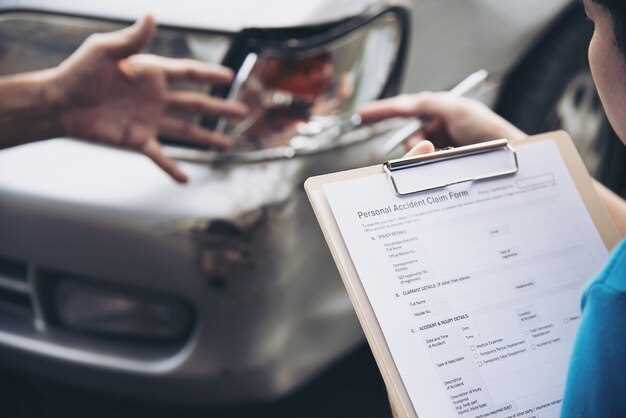
Experiencing a car accident can be a disorienting and stressful event. In the blink of an eye, your life can change, and knowing the right steps to take is crucial for your protection and well-being. No matter how minor the collision may seem, it’s essential to have a clear plan of action to ensure that you are safe and to mitigate the potential legal and financial repercussions.
After a car accident, your first priority should always be to assess your condition and the condition of others involved. If it is safe, move your vehicle out of traffic to prevent further incidents. While waiting for assistance, gathering key information such as photographs of the scene, contact details of witnesses, and insurance information from other drivers is vital. This documentation can play an important role in any claims process that may follow.
Additionally, it’s important to report the incident to the police. A police report provides an official account of the incident, which can be beneficial when dealing with insurance companies. Remember, even if the accident appears minor, having an official record can protect you in the long run. Each step taken immediately after a car accident contributes significantly to your protection and can prevent complications later on.
Documenting the Accident Scene and Gathering Evidence

After a car accident, it is crucial to document the scene meticulously to protect yourself legally and ensure that all pertinent details are captured. Start by taking comprehensive photos of the accident scene. Capture images of all vehicles involved, including their positions, damages, and any relevant landmarks, such as street signs or traffic signals.
In addition to photographs, note down the time, date, and weather conditions at the time of the accident. This information may be significant in understanding the circumstances surrounding the crash. Record the exact location using GPS coordinates or by noting major intersections nearby.
Collect contact information from all drivers and witnesses present at the scene. Obtain names, phone numbers, email addresses, and insurance details. If possible, ask witnesses to provide their accounts of the accident, either in writing or via recorded statements, as these can support your case later.
Furthermore, if law enforcement is involved, request a copy of the police report, which becomes an essential document in any insurance claims or legal proceedings. Ensure to note the report number and the officers’ names who respond to the scene.
Gathering evidence also includes assessing any noticeable skid marks, debris, or any other indicators of vehicle movement that may help in reconstructing the accident. Be thorough, as the more evidence you collect, the stronger your position will be in discussions with insurance companies and any legal entities.
Notifying Your Insurance Company and Filing a Claim
After an accident involving your car, one of the most crucial steps is to notify your insurance company as soon as possible. Most policies require that you report any incidents within a specified timeframe, typically within 24 to 48 hours. Delaying this notification may jeopardize your coverage.
When contacting your insurer, provide all necessary details about the accident. This should include the date, time, and location of the incident, a description of what happened, the contact and insurance information of the other party involved, and any details about witnesses. Be prepared to discuss how the accident occurred and the extent of the damages to your vehicle.
Once you have reported the accident, you will likely need to file a claim. Your insurance company will guide you through this process, which may involve completing a claims form and submitting supporting documentation. This documentation can include photographs of the damage, a copy of the police report, and any medical reports if injuries were sustained.
Keep in mind that the claims process can vary significantly between insurers. It’s beneficial to ask your company about the timeline for processing your claim and what you can expect throughout the investigation. Stay proactive by following up regularly; this ensures that your claim is handled efficiently.
Throughout this process, it’s essential to remain honest and transparent. Providing false information or withholding details may lead to complications, including denial of your claim. By understanding your policy and cooperating fully with your insurer, you can navigate the aftermath of the accident with greater confidence and security.
Seeking Medical Attention and Understanding Your Rights

After a car accident, prioritizing your health should be your first step. Even if you feel fine, some injuries may not be immediately apparent. It is essential to seek medical attention as soon as possible. A healthcare professional can assess any potential injuries, document them for your records, and provide necessary treatment.
Receiving medical attention promptly serves a dual purpose. Not only does it ensure your well-being, but it also strengthens your claim when dealing with insurance companies or legal matters. Timely medical records will substantiate your injuries, making it easier to prove the extent of damages you have suffered due to the accident.
Understanding your rights is crucial following an accident. You have the right to seek compensation for medical expenses, lost wages, property damage, and pain and suffering. Familiarize yourself with the insurance policies involved, as each may have different requirements and coverage limits. If another party is at fault, you are entitled to file a claim against their insurance for the damages incurred.
Documentation plays a key role in protecting your rights. Keep copies of all medical records, accident reports, and communication with insurance providers. If needed, consult with an attorney who specializes in car accidents to receive guidance tailored to your situation. They can help you navigate the complexities of filing a claim and ensure that you receive fair compensation for your losses.