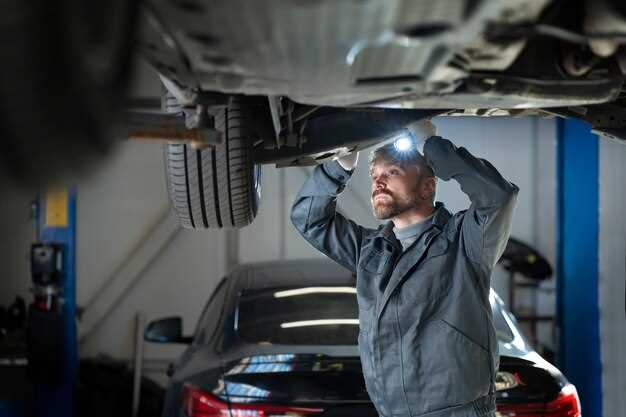
Experiencing a car that won’t start can be a frustrating situation for any driver. Whether you’re in a rush to get to work or simply trying to complete your daily errands, the moment you turn the key and hear nothing can trigger anxiety. It is essential to understand the common reasons why your vehicle may not start, so you can address the issue effectively.
A car that won’t start could be due to several factors, and it’s important to systematically troubleshoot the problem. Start by eliminating simple issues, such as checking if the battery is dead. A battery that is no longer able to hold a charge is one of the most frequent culprits when a car won’t start. If the dashboard lights don’t illuminate, it’s a strong indication that your battery may be the problem.
Moreover, consider whether you hear any clicks when trying to start the car. A clicking sound typically signifies a failure in the starter motor or starter solenoid, which could lead to the vehicle’s inability to start. By employing a methodical approach to identify and resolve these issues, you can often pinpoint why your car refuses to start, making the troubleshooting process less daunting.
Checking the Battery and Electrical Connections
When facing a situation where your car won’t start, the first area to inspect is the battery and its electrical connections. A dead battery is one of the most common issues in troubleshooting starting problems. Begin by examining the battery terminals. Ensure they are clean and snug; corrosion can prevent proper contact. If you notice any buildup, use a mixture of baking soda and water to clean the terminals.
Next, check the battery voltage using a multimeter. A fully charged car battery should read around 12.6 volts or more. If the reading is no higher than 12.4 volts, the battery may need to be recharged or replaced. If there is absolutely no voltage, the battery could be completely dead.
After checking the battery, inspect the connections leading to it. Look for frayed or damaged wires, which could be creating an electrical short. Ensure that the ground connection is secure; a loose ground can hinder the electrical flow, leading to starting issues. If you find any faulty wiring, consider repairing or replacing it to ensure optimal performance.
If your battery and connections pass the inspection, consider testing the starter motor. A malfunctioning starter can mimic battery-related problems. By systematically troubleshooting each component, you can identify the source of the issue and resolve the starting failure effectively.
Diagnosing Fuel System Issues
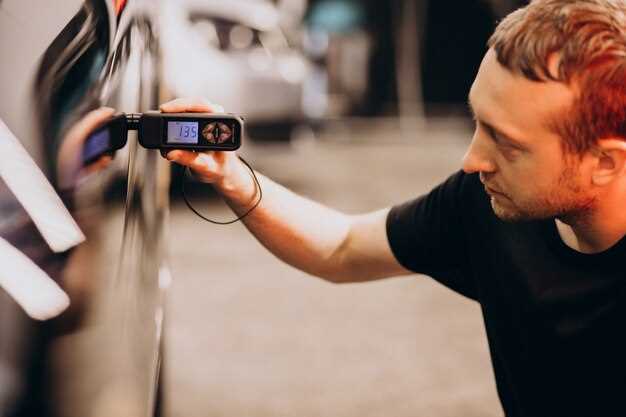
When your car won’t start, one of the critical systems to check is the fuel system. Troubleshooting fuel system issues can help you determine if the problem lies within fuel delivery or the fuel components themselves.
Start by checking the fuel gauge; ensure there is enough fuel in the tank. If the gauge is functioning but the tank is nearly empty, refuel the vehicle as an empty tank can lead to fuel pump failure.
The next step is to listen for the fuel pump. Turn the ignition key to the “ON” position without starting the engine. You should hear a slight whirring sound from the fuel tank area. If no sound is audible, it may indicate a faulty fuel pump or a blown fuse affecting the pump’s operation.
Additionally, inspect the fuel lines for any leaks, kinks, or blockages. A damaged fuel line can prevent fuel from reaching the engine. If you notice any sign of leaking fuel, it’s essential to address this issue immediately to avoid fire hazards.
Another important component is the fuel filter. A clogged filter can restrict fuel flow, preventing the engine from starting. If you suspect a blockage, consider replacing the fuel filter based on the manufacturer’s recommendations.
Next, check the fuel injectors. If the injectors are dirty or malfunctioning, they can lead to poor fuel delivery. Remove the injectors and clean or replace them if necessary. Running a fuel injector cleaner through the system can also help resolve minor issues.
Finally, confirm that the fuel is reaching the engine. You can do this by using a fuel pressure gauge. Refer to your vehicle’s specifications for the correct pressure range. If the pressure is low, it could indicate a problem with the fuel pump or a clogs in the fuel system.
By systematically troubleshooting the fuel system, you can isolate the issue and take the necessary steps to resolve it, thus increasing the chances of getting your car back on the road.
Examining the Starter and Ignition System

The starter and ignition system are critical components that play a vital role in the operation of your vehicle. If your car won’t start, troubleshooting these areas should be a top priority. Start by ensuring that the battery is fully charged and in good condition. A weak battery is often the primary cause of a car failing to crank properly.
Next, inspect the starter motor. Listen for a clicking sound when turning the key; this may indicate that the starter solenoid is malfunctioning. If there is no noise at all, the starter itself might be faulty. Check all connections to the starter for corrosion or damage, as poor electrical connections can prevent the starter from receiving the necessary power.
The ignition system, which includes the ignition switch, coils, and spark plugs, also warrants attention. Start by testing the ignition switch. If turning the key does not activate the dashboard lights or other electrical components, the ignition switch may need replacement. Additionally, inspect the spark plugs; worn or fouled plugs can cause a misfire or prevent the engine from starting altogether.
Use a multimeter to check the voltage at the ignition coil and ensure the coils are functioning correctly. If there’s no voltage present, trace the wiring back to the battery and ignition switch for any breaks or issues. Proper troubleshooting here can help isolate the problem and get your vehicle back on the road.