
Tires are one of the most critical components of your vehicle, providing safety, stability, and performance on the road. Regular tire maintenance is essential to ensure they remain in optimal condition and can serve you well over their lifespan. By following a few fundamental practices, you can significantly extend the life of your tires and enhance your driving experience.
Proper maintenance involves a range of activities, from checking tire pressure to inspecting tread depth. Keeping your tires properly inflated not only improves fuel efficiency but also helps prevent uneven wear. Additionally, regularly rotating your tires ensures that they wear evenly and maintain their grip on the road. Ignoring these simple tasks can lead to premature tire failure, compromising your safety.
In addition to pressure and rotation, it’s important to stay vigilant about other aspects of tire care, such as alignment and balancing. Misalignment can cause your tires to wear unevenly and affect your vehicle’s handling. Regularly inspecting your tires for signs of damage, such as cuts, punctures, or bulges, is also crucial for maintaining their integrity. By prioritizing tire maintenance, you can improve your overall driving safety and performance.
How to Check Tire Pressure Regularly

Maintaining proper tire pressure is essential for the safety and performance of your vehicle. Regular checks help ensure optimal fuel efficiency, extended tire life, and improved handling. Begin by collecting the necessary tools: a reliable tire pressure gauge and, if needed, an air compressor.
Check your vehicle’s manual or the door jamb for the recommended tire pressure, typically measured in pounds per square inch (PSI). This information guides you on the ideal levels for your specific tires.
To check the tire pressure, follow these steps:
1. Ensure Tires are Cold: Tire pressure can fluctuate with temperature. It’s best to check the pressure when the tires are cold, ideally before driving or after they have been parked for a few hours.
2. Remove Valve Stem Caps: Carefully unscrew the valve stem cap from each tire. Keep the caps in a safe place to prevent them from getting lost.
3. Use the Tire Pressure Gauge: Press the gauge firmly onto the valve stem, ensuring a good seal for an accurate reading. The gauge will display the current tire pressure. If using a digital gauge, simply read the displayed value.
4. Compare with Recommended Pressure: Compare the reading obtained with the vehicle manufacturer’s recommended PSI. If the pressure is too low, you’ll need to add air; if it’s too high, release some until the appropriate level is reached.
5. Inflate or Deflate as Necessary: If inflation is required, use an air compressor. Many gas stations have air machines for this purpose. After inflating, recheck the pressure to ensure accuracy. If deflation is necessary, press the metal stem inside the valve with a small tool or your finger until the desired pressure is reached.
6. Replace the Valve Caps: Once you have finished checking and adjusting the pressure in all tires, make sure to securely replace the valve stem caps. This prevents dirt and moisture from entering the valve.
Regular maintenance of tire pressure not only enhances your vehicle’s performance but also ensures safer driving. Make it a habit to check your tire pressure at least once a month and before long trips. Taking care of your tires will contribute to a smoother, more efficient ride.
Signs of Uneven Tire Wear and What They Mean
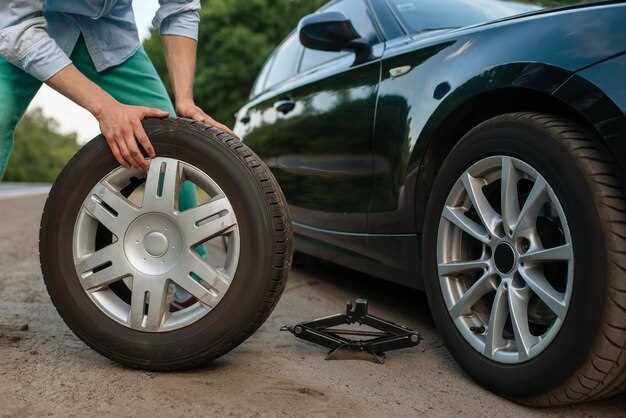
Maintaining your tires is essential for safety and performance. Uneven tire wear can indicate underlying issues that require attention. Recognizing these signs early can prevent further damage and extend the life of your tires.
One common sign of uneven wear is edge wear, where one side of the tire shows significantly more wear than the other. This can indicate improper alignment or inflation. If the inner edge wears faster, it might mean that the tires are over-inflated, while excessive wear on the outer edge can suggest under-inflation.
Another important sign is patchy or localized wear patterns, which can manifest as bald spots or grooves on the tire surface. These irregularities can result from suspension problems, misalignment, or even worn-out shock absorbers that fail to provide proper vehicle stability.
If you notice a cupping or scalloping appearance on the tire tread, this can be a clear indication of an imbalance or misalignment. Such abnormalities often result in a noisy ride and can compromise your vehicle’s handling characteristics.
Lastly, excessive tread wear in certain areas can signal issues with your driving habits. Abrupt acceleration and hard braking can lead to faster tire degradation in specific zones. Ensuring regular tire rotations and maintaining the correct pressure are key to achieving balanced tire care.
Addressing signs of uneven tire wear promptly is crucial for your vehicle’s safety and efficiency. Regular inspections and maintenance are vital to maximizing tire lifespan and ensuring a smooth driving experience.
The Importance of Tire Rotation and Alignment
Tire rotation and alignment are crucial components of vehicle maintenance that significantly affect tire longevity and overall performance. Through regular tire rotation, the wear on each tire is evenly distributed, ensuring that no single tire becomes excessively worn. This practice extends the life of the tires and enhances their efficient performance on the road.
Alignment, on the other hand, ensures that all four tires are correctly positioned relative to each other and the road. Misalignment can lead to increased tire wear, poor handling, and diminished fuel efficiency. Regular checks can help detect alignment issues early, preventing more serious problems and potentially unsafe driving conditions.
Incorporating tire rotation and alignment into your maintenance schedule can lead to better traction, improved fuel economy, and a smoother ride. By taking these proactive steps, drivers can safeguard their investment in tires and contribute to safer driving experiences.